Small Steps, Outstanding Outcomes

Define the Smallest Valuable Outcome
Set Crisp Constraints and Guardrails
Name, Frame, and Finish
Right-Size the Challenge
Timeboxes That Spark Flow
The 25/5 Focus Rhythm
Use twenty‑five minutes of deep focus followed by five minutes of intentional rest. During focus, silence notifications, document decisions, and do only one verb. During rest, breathe, hydrate, and review the next micro step. This cadence compounds clarity and protects stamina across many small finishes.
One-Hour Builds That Ship
Pick a problem that can be built end‑to‑end inside sixty minutes, even if crude. Prioritize paths that allow a real click, result, or visible change. Shipping within the hour reframes effort as experiments, encourages courage, and converts hesitation into practical, testable evidence.
A Living Checklist
Capture the exact steps you just performed, not an imagined process. Keep items action‑verb first and tick them as you go. Each run refines the list, reveals redundancies, and strengthens quality without extra meetings. Over time, the checklist becomes your safety rail.
Lightweight Kanban
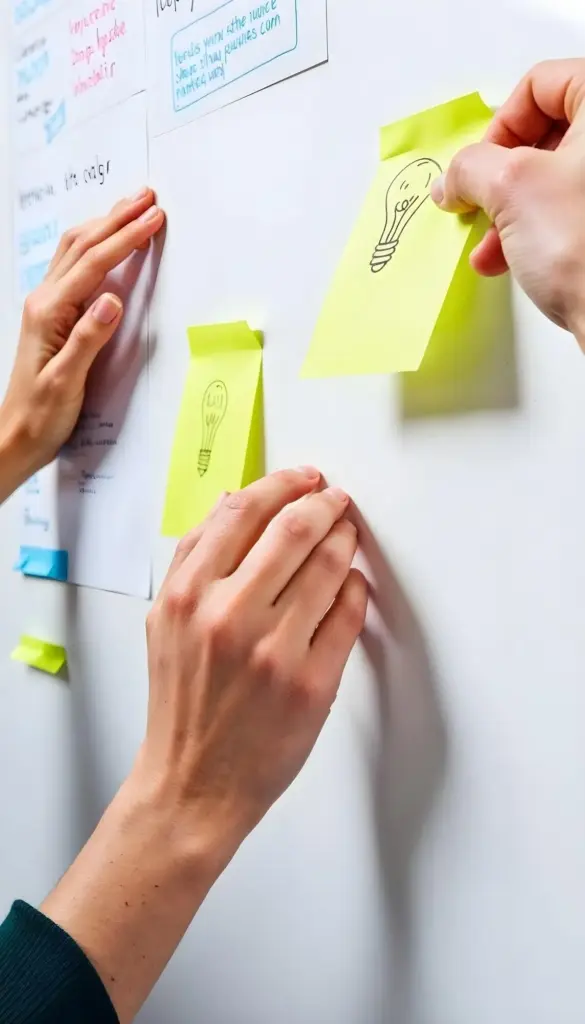
Use three columns—Now, Next, Done—with explicit work‑in‑progress limits. Move cards only when a demonstrable artifact exists. Visualizing flow exposes bottlenecks, protects focus, and shows momentum even on busy days. Snap a quick photo to share progress and invite timely, specific help.
Versioning and Snapshots
Create tiny commits, meaningful messages, and frequent checkpoints. If you are not coding, still version drafts, visuals, and assets. Being able to rewind encourages bold exploration, reduces fear of mistakes, and makes teaching others easier because every change has a recorded reason.

Learning Loops That Compound

A Month of Micro Wins: A Field Story
Day 3: The Stalled Script
Day 14: Unexpected Applause
Day 27: The Pivot That Paid Off

Share, Showcase, and Grow Your Opportunities
All Rights Reserved.